


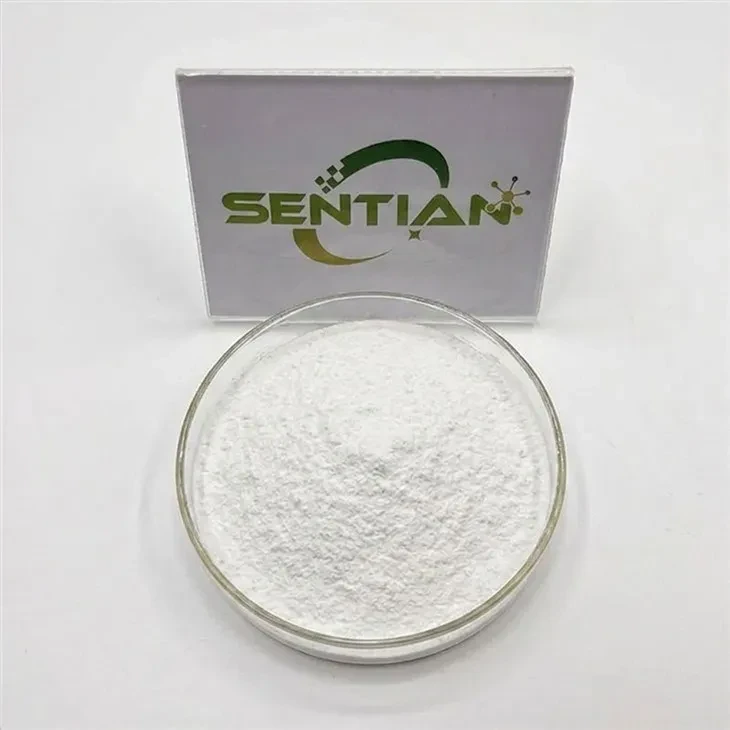
What is Milk Protein Concentrate Powder?
Milk Protein Concentrate Powder is a concentrated dairy product that retains all of the milk protein fractions (casein and whey) with a portion of the lactose and minerals removed to concentrate the protein. In the food industry, it is used extensively as a functional raw material of milk in a diverse range of commercial food and beverage products by food manufacturers, dairy processors, and ingredient companies. Membrane filtration processes like ultrafiltration help create it, which preserves the milk proteins' original structure and results in a balanced protein composition that has a customizable amount of protein, usually between 70% and 85%, according to the application requirement. The protein concentration and the composition of MPC Powder are higher than conventional milk powders, and therefore are suitable for manufacturers that are looking for a more targeted protein concentration and composition, which leads to better formulation control in the manufacture of dairy and non-dairy products. Because of its natural milk flavor, smoothness, and good dispersion properties, it can be used in a variety of applications, including dairy beverages, powdered drink mixes, milk products in yogurt, frozen dairy products, bakery products, and special food systems. Casein and Whey proteins, together with their combination, are responsible for good processing properties, such as water retention, textural properties, and stability during processing.

COA
| Item | Specification | Result | Test Method |
| Product Name | Milk Protein Concentrate Powder (MPC 80) | Complies | Internal Standard |
| Appearance | Creamy White to Light Cream Fine Powder | Complies | Visual Inspection |
| Odor & Taste | Typical Dairy Flavor, Free from Off-Odor | Complies | Organoleptic |
| Protein (Dry Basis) | ≥80.0% | 80.74% | Kjeldahl Method |
| Moisture | ≤5.50% | 4.18% | AOAC |
| Milk Fat | ≤2.50% | 1.68% | AOAC |
| Lactose | ≤10.00% | 8.72% | HPLC |
| Ash | 6.00–8.00% | 7.21% | AOAC |
| pH (10% Solution) | 6.50–7.10 | 6.78 | pH Meter |
| Bulk Density | 0.35–0.60 g/mL | 0.47 g/mL | USP |
| Solubility Index | ≤1.00 mL | 0.41 mL | ADPI Method |
| Particle Size | 95% Pass 80 Mesh | Complies | Sieve Analysis |
| Lead (Pb) | ≤0.10 mg/kg | <0.05 mg/kg | ICP-MS |
| Arsenic (As) | ≤0.10 mg/kg | <0.03 mg/kg | ICP-MS |
| Cadmium (Cd) | ≤0.05 mg/kg | <0.01 mg/kg | ICP-MS |
| Mercury (Hg) | ≤0.02 mg/kg | <0.005 mg/kg | ICP-MS |
| Total Plate Count | ≤5,000 CFU/g | 680 CFU/g | AOAC |
| Yeast & Mold | ≤50 CFU/g | <10 CFU/g | AOAC |
| Coliforms | ≤10 CFU/g | <10 CFU/g | AOAC |
| Escherichia coli | Negative/10g | Negative | AOAC |
| Salmonella | Negative/25g | Negative | AOAC |
Sentian Bio provides free samples, OEM/ODM customized products, and professional technical support. Contact us anytime at sales3@sentianbio.com or LEAVE A MESSAGE!
Market Trends
With the increasing awareness of clean-label foods and ingredient transparency, manufacturers seek dairy-based ingredients that are transparent and reliable in their functional attributes and have clear, identifiable origins. As a milk protein source with an ideal balance of casein and whey protein, MPC Milk Protein Concentrate is receiving attention in the food and beverage industry for a variety of formulation requirements in a wide range of products. The development of high-protein foods, ready-to-mix beverages, innovations within the dairy industry, and convenient nutrition products at the industrial level present new opportunities for dairy ingredient suppliers. The demand for versatile raw materials that can enhance product structure, texture, and formulation efficiency and retain a natural dairy profile has grown more common amongst food manufacturers over the years. Moreover, the progress of dairy processing technologies and ingredient customizations is enabling the suppliers to offer MPC Powder with varying specifications and applications to satisfy the needs of the regions and products. Overall market developments like sustainable food production, sourcing premium ingredients, and producing value-added dairy products influence the market.
Development History
The continuous innovation of the dairy industry in milk component separation and utilization of ingredients developed the technology that led to the creation. The main purpose of the use of milk powders in the early stages of processing was to ensure extended shelf life and transportability, with little possibility of modifying the composition of milk proteins. As the techniques of membrane filtration were introduced and developed in the dairy industry, producers now had the opportunity to selectively concentrate milk proteins while maintaining the natural proportion of casein and whey. This technological development formed the basis for the preparation, which is a special dairy ingredient, obtainable in different protein concentrations and easier to apply. Through the years, MPC Powder evolved from being a specialised dairy product ingredient to being a common raw material for food manufacturers looking to more effectively control their product formulation. With greatly enhanced filtration efficiency, drying technology, and production management, suppliers are now able to provide various MPC specifications, optimized for various industries. The ingredient has slowly found its way into milk-based drinks, powdered food systems, bakery products, and other processed foods where milk-based ingredients are needed. The development of MPC Powder has always been linked to the global food industry in recent years, and the development is closely linked to several trends that have emerged in the food industry, such as the increased emphasis on the recognition of the ingredients used in food production, efficient food processing, diversified product development, etc. Consistent quality along with flexibility in the application are becoming important properties of dairy ingredients sought by manufacturers, which will continue to drive innovation in MPC production technology.

Benefits
1. Preserved Milk Protein Characteristics
Milk Protein Concentrate preserves the natural ratio of casein and whey protein found in milk and is a dairy ingredient that allows manufacturers to have a product that is closer to the protein structure of milk than any other milk protein product and offers increased concentration and formulation options.
2. Customizable Protein Content
MPC Powder comes in various protein specifications and can provide the food producer with the appropriate grades depending on the product design, processing, and target market requirements. The customization is useful for manufacturers to create a variety of product solutions.
3. Enhanced Formulation Versatility
With its balanced dairy protein profile and functional properties, MPC Powder is a versatile ingredient that can be used in a wide range of food systems, such as dairy drinks, powdered blends, cultured dairy products, and processed foods, offering flexibility in food systems across multiple applications.
4. Convenient Processing Performance
The powder format has a number of benefits in terms of storage, transport, and production handling. It is also suitable for dry blending and liquid processing systems, thus offering flexibility for manufacturers who need to efficiently incorporate ingredients.
5. Natural Dairy Origin
It is a recognizable option for the dairy-based ingredient, derived from milk, by advanced separation and concentration processes, for companies looking to create products using naturally sourced raw materials.
6. Support for Product Differentiation
MPC Powder allows manufacturers to tailor-make specific formulas to meet their needs by varying the amount, ingredients, and product format. This enables brands and food companies to make different products that suit the evolving food preferences of the market.
7. Reliable Commercial Application
MPC Powder ensures consistent production processes and provides quality documentation that meets both global and local food ingredient buyers' requirements. It's ideal for businesses that want a reliable source of dairy products for long-term development and supply planning.
Factory

Certificate

Exhibition
