


What is the recommended dosage of sports supplements?
As a sports supplement supplier, I often get asked about the recommended dosage of various sports supplements. It's a crucial question because taking the right amount can enhance performance, support recovery, and promote overall health, while incorrect dosages can lead to ineffective results or even potential health risks. In this blog, I'll delve into the recommended dosages of some popular sports supplements.
Creatine
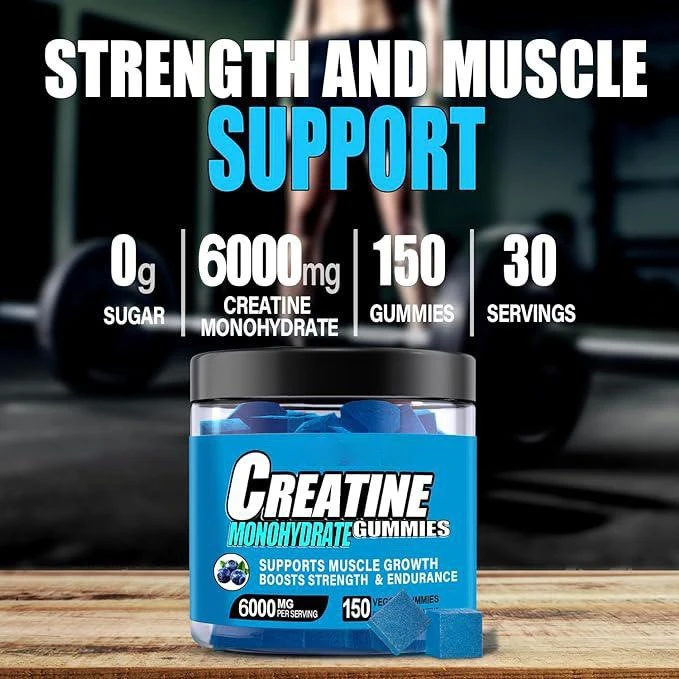
Creatine is one of the most well - studied and widely used sports supplements. It helps increase muscle strength, power, and muscle mass, especially during high - intensity, short - duration activities like weightlifting and sprinting.
There are two main phases when it comes to taking creatine: the loading phase and the maintenance phase.
Loading Phase
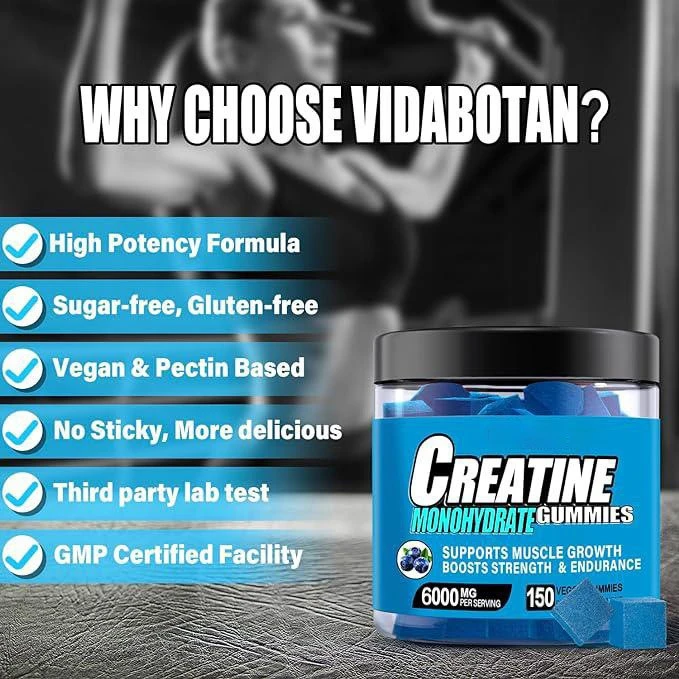
During the loading phase, the recommended dosage is typically 20 grams per day, divided into four equal doses of 5 grams each. This phase usually lasts for 5 - 7 days. The purpose of the loading phase is to quickly saturate the muscles with creatine. For example, if you're an athlete preparing for a competition or a bodybuilder starting a new training cycle, the loading phase can help you see rapid benefits. You can find high - quality creatine in the form of Best Creatine Gummy or Best Creatine Monohydrate Gummies, which are convenient and easy to consume.
Maintenance Phase
After the loading phase, the maintenance phase begins. The recommended dosage during this phase is 3 - 5 grams per day. This amount is sufficient to maintain the elevated levels of creatine in the muscles. Most people can continue taking creatine at this maintenance dose for an extended period, as long as they are under proper medical supervision if they have any pre - existing health conditions.
It's important to note that creatine works best when taken with a carbohydrate - rich meal. Carbohydrates help increase insulin secretion, which in turn enhances the uptake of creatine into the muscles.
Nitric Oxide Supplements (e.g., Beetroot Gummies)
Nitric oxide plays a vital role in vasodilation, which means it helps widen the blood vessels. This can improve blood flow to the muscles during exercise, leading to better oxygen and nutrient delivery, and potentially enhancing endurance and performance.
Nitric Oxide Beetroot Gummy is a popular form of nitric oxide supplement. The recommended dosage of beetroot - based nitric oxide supplements can vary depending on the concentration of nitrates in the product.
For general performance enhancement, a daily dose of 300 - 600 mg of nitrate from beetroot extract is often recommended. This can usually be achieved by taking 1 - 2 servings of a high - quality beetroot gummy per day. However, it's important to start with a lower dose to assess your body's tolerance. Some people may experience mild side effects such as digestive discomfort or a change in urine color, which is usually harmless but can be a sign that the body is adjusting to the supplement.
Protein Supplements
Protein is essential for muscle repair and growth. There are different types of protein supplements, such as whey protein, casein protein, and plant - based proteins.
Whey Protein
Whey protein is a fast - digesting protein that is ideal for post - workout consumption. The recommended dosage of whey protein depends on your individual protein needs, which are influenced by factors such as your body weight, activity level, and fitness goals.
For most active individuals, a general guideline is to consume 20 - 25 grams of whey protein within 30 minutes to an hour after a workout. This helps provide the necessary amino acids for muscle repair and recovery. If you're trying to build muscle, you may need to increase your overall protein intake, and whey protein can be a convenient way to meet those additional needs.
Casein Protein
Casein protein is a slow - digesting protein. It's often recommended to take casein protein before bed. A dosage of 30 - 40 grams before sleep can provide a steady supply of amino acids to the muscles overnight, preventing muscle breakdown during the long period without food.
Plant - based Proteins
For vegetarians and vegans, plant - based proteins like soy, pea, and rice protein are great alternatives. The recommended dosage is similar to that of whey protein, around 20 - 25 grams per serving, depending on your protein requirements.
Beta - Alanine
Beta - alanine is an amino acid that helps increase muscle carnosine levels. Higher carnosine levels can improve muscular endurance, especially during high - intensity exercise.
The recommended dosage of beta - alanine is 3 - 6 grams per day. It's usually best to divide this dose into smaller amounts throughout the day to minimize the tingling sensation (paresthesia) that some people experience when taking high doses at once. Starting with a lower dose, such as 1 - 2 grams per day, and gradually increasing it over time can help your body adapt to beta - alanine.
Caffeine
Caffeine is a well - known stimulant that can improve focus, energy, and exercise performance. The recommended dosage of caffeine for sports performance varies depending on your tolerance.
For most people, a dosage of 3 - 6 mg per kilogram of body weight is effective. For example, if you weigh 70 kilograms, a dosage of 210 - 420 mg of caffeine can enhance your performance. However, it's important not to exceed 400 mg of caffeine per day, as higher doses can lead to side effects such as jitters, increased heart rate, and difficulty sleeping.
The Importance of Individualization
It's crucial to remember that the recommended dosages mentioned above are general guidelines. Everyone's body is different, and factors such as age, gender, genetics, overall health, and current medications can all influence how your body responds to sports supplements.
Before starting any new sports supplement, it's advisable to consult with a qualified healthcare professional or a registered dietitian. They can help you determine the appropriate dosages based on your specific circumstances and ensure that the supplements are safe for you to take.
Conclusion
As a sports supplement supplier, I'm committed to providing high - quality products and accurate information about their proper use. Understanding the recommended dosages of sports supplements is essential for maximizing their benefits and minimizing potential risks.
If you're interested in purchasing our sports supplements or have any questions about dosages and product recommendations, please don't hesitate to contact us for a procurement discussion. We're here to help you achieve your fitness goals safely and effectively.
References
- Kreider, R. B., Kalman, D. S., Antonio, J., Ziegenfuss, T. N., Wildman, R., Collins, R., ... & Willoughby, D. S. (2017). ISSN exercise & sports nutrition review update: research & recommendations. Journal of the International Society of Sports Nutrition, 14(1), 1-38.
- Rodriguez, N. R., DiMarco, N. M., & Langley, S. (2016). Position of the Academy of Nutrition and Dietetics, Dietitians of Canada, and the American College of Sports Medicine: Nutrition and athletic performance. Journal of the Academy of Nutrition and Dietetics, 116(3), 501-528.


