The possible side effects of Ashwagandha Capsules are constipation, nausea, and vomiting, as well as mild liver function, thyroid activity, or interactions with some substances. The risk and intensity of any side effects can differ based on the concentration of the extract, the amount, a person's sensitivity, and how long the extract is used.
What Are the Common Side Effects of Ashwagandha Capsules?
Ashwagandha (Withania somnifera) is found in botanical supplements; however, this does not mean that everyone can tolerate taking it naturally. Research published shows that there are a number of factors to consider.
Digestive discomfort: There are reports of digestive upset, nausea, or loose stools. Frequency may vary by formulation and/or study population.
Individual response: Ashwagandha preparations can cause sleepiness in some people, so individual response is important to consider.
Fewer common reports of safety: Liver-related adverse events were reported in published reports. These findings are noteworthy, but don't suggest that all formulations are equally risky.
Short-term studies: There are few long-term controlled studies available, and there is a lack of information on continued use.
How Do Extract Types Affect Ashwagandha Capsule Side Effects?
When you compare the safety information of different products, it's important to consider the chemical composition of the ingredient found in the ashwagandha product.
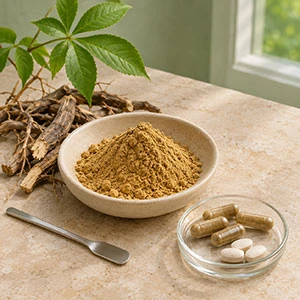
Root vs. root and leaf extracts: The composition of the different parts of a plant may vary. The safety information provided in one preparation should not be assumed to apply to another.
Withanolide standardization: The overall safety is not determined by selected chemical constituents alone, and total withanolide percentages are used to describe them.
The chemical profile from extraction processes: Water-based and other extraction processes can yield different chemical profiles, which can impact the characterization of finished ingredients.
Clear analysis: The transparency of ingredient composition, plant-part declarations, and validated constituent testing make safety information easier to understand.

Can Ashwagandha Capsule Dosage Influence Side Effects?
Serving size is an important technical variable but there is no one single serving size that is appropriate.
Extract concentration: Different amounts of standardized constituents may be provided by analyzing the same number of milligrams of two extracts.
Labeled daily ingredient quantity: Is based on the strength of the capsules, the number of capsules per serving, and the number of servings per day.
Comparisons between studies: There are some problems in comparing the research findings when types of extracts differ, amount of extract consumed differs, and observation periods differ.
Period of use: The findings of tolerance do not necessarily mean it is safe to use for long periods of time.
In the realm of product development, the serving specification is more useful to them than a marketing push.
What Formulation Factors Matter for Ashwagandha Capsule Tolerance?
Once capsules are designed, there are many more factors to consider than the botanical ingredient itself.
Excipient selection: The selection of excipients for use, such as fillers and processing aids, should be assessed for compatibility, permitted use, and proper declaration of ingredients.
HPMC capsules and gelatin capsules vary in moisture properties and processing attributes, but neither is the only factor that could cause botanical side effects.
Unwanted responses are complicated by multi-ingredient blends, as the effects of any combination of ingredients can be difficult to interpret.
Clear labelling – ingredients, botanical, and appropriate cautionary information all aid in the informed choice of products.

How Can Stability Affect Ashwagandha Capsule Quality?
Stability management helps ensure that product specifications are consistent but cannot guarantee that there are no side effects.
Moisture exposure: Humidity can have an effect on the properties of the powder, the integrity of the capsules, and their storage properties.
Chemical consistency: Analytical testing of selected constituents can be used to monitor throughout the proposed shelf life.
Distributed containers: Containers selected for packaging should take into account moisture protection, sealing, and distribution conditions.
Storage verification: The stability observations should be in line with the actual formulation, packaging system, and storage conditions.
How Should Manufacturers Evaluate Ashwagandha Capsule Safety?
Responsible safety evaluation is a two-part process for supplement companies: ingredient testing and finished product testing.
Supplier qualification: Check botanical identity, manufacturing data, specifications of ingredients, and relevant quality records.
Batch testing: Appropriate identification, constituent, microbiological, and contaminant testing allows quality assessment.
The ingredient restrictions, permitted presentations, and warning requirements may vary across jurisdictions as a result of market requirements.
Business Communication: Do not make any unsupported claims on the packaging, such as "side-effect free" or "safe for everyone."
Post-market feedback: A process for capturing and analyzing feedback from consumers provides valuable documentation of consumer complaints, which can be explored for possible quality or tolerance issues.
Ashwagandha Capsules Side Effects
Some of the more common side effects of ashwagandha tablets include gastrointestinal upset and sleepiness, while potentially more serious side effects involve safety issues. Comparisons between different products are limited by the differences in botanical material, extract standardization, serving design, and/or individual response. Detailed specifications, a scientifically sound safety evaluation process, proper labeling, and quality assurance give supplement manufacturers and users more assurance for producing and purchasing supplements than general safety statements.
Sentian Bio provides free samples, OEM/ODM customized products, and professional technical support. Contact us anytime at sales3@sentianbio.com or LEAVE A MESSAGE!
FAQ
1. What are the most common side effects of ashwagandha capsules?
Side effects reported are stomach discomfort, nausea, diarrhea, and drowsiness. These results are individualised and depend on the preparation, quantity, and other personal factors.
2. Can high-strength ashwagandha extract capsules cause more side effects?
An increase in the constituents' concentration can alter the exposure, but the strength of extraction is not able to predict the frequency and severity of the unwanted effects. The composition and existing safety data for each product should be taken into account.
3. Are ashwagandha capsules safe for long-term daily use?
Not known to be safe for long-term use. Most controlled studies have determined the safety of relatively short periods of time, and conclusions drawn from short-term studies should not be considered as evidence of indefinite safety.
4. Do ashwagandha root powder and extract capsules have the same side effects?
Not necessarily. Root powders and standardized extracts may contain varying concentrations of the chemicals in them and vary in their chemistry. Evaluations for safety should be considered in the context of the preparation being studied.
5. Who should avoid ashwagandha capsules?
OOfficial safety information recommends that pregnant or nursing women refrain from using ashwagandha and also lists other issues that may be relevant for certain health conditions and substances. Use of the information provided herein is at the user's own risk, and the individual should seek appropriate professional advice in relation to any concerns that may arise.
6. How can supplement brands evaluate ashwagandha capsule safety?
Brands need to re-evaluate the botanical identification, botanical composition, supplier documentation, quality testing, labeling requirements, and safety studies. There is no quality certificate that ensures that there are no adverse effects.
References
1. National Institutes of Health, Office of Dietary Supplements. (2023, December 4). Ashwagandha: Is it helpful for stress, anxiety, or sleep?
2. National Center for Complementary and Integrative Health. (2024, September 5). Ashwagandha: Science and safety.
3. Herb-induced liver injury by Ayurvedic Ashwagandha as assessed for causality by the updated RUCAM: An emerging cause. (2023).
4. Review of the safety of Ashwagandha (Withania somnifera (L.) Dunal) in food, drinks and food supplements. (2025). Toxicology Letters, 411(Supplement), S326–S326a.