


Whey Protein Isolate Powder is a high-quality dairy protein ingredient that can be an appropriate choice for many consumers in appropriate product formulations and well-balanced diets. Whey protein isolate powder is a highly pure protein isolate with a high protein content, which has a great application potential and functional properties, and is a major protein source for the nutrition, food, and beverage industry worldwide. As a B2B product, knowledge of its composition will assist manufacturers in developing consistent and reliable protein-based products to meet a variety of market needs, as will its formulation, processing characteristics, and usage application.
Understanding Whey Protein Isolate Powder and Its Nutritional Characteristics
Whey protein isolate powder is made from whey, which is a liquid that is created when cheese is made, using advanced filtration and purification processes. These processes eliminate the non-protein components and make a protein ingredient, usually at a protein level of more than 90% on a dry basis.
Whey protein isolate (WPI) powder has the following properties:
High protein concentration: Whey protein isolate is a highly concentrated source of dairy protein, enabling the product developer to formulate to the desired level of protein and still get a good protein structure.
Low lactose content and low fat content: Other whey protein classes tend to have higher lactose and fat contents; whey isolate can be used in formulations where a "cleaner" ingredient profile is desired.
Natural amino acid profile makes whey protein popular with manufacturers creating food products with a protein focus.
Good functional performance: Soluble, emulsification, and neutral sensory properties, it can be used in various food and beverage systems.
These properties make whey protein isolate powder a versatile ingredient that can be used by manufacturers to create a variety of products. It's a common choice due to its technical specifications, product positioning, and target market expectations.
How Whey Protein Isolate Powder Is Used in Product Formulations
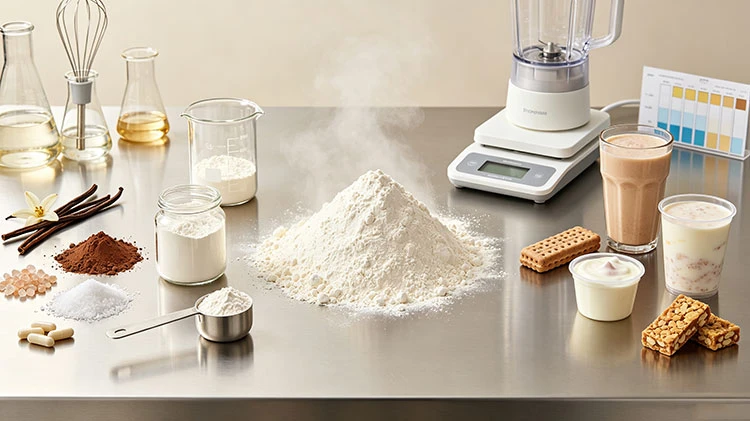
When using whey protein isolate powder, it is important to take into account formulation objectives, processing parameters, and interactions between ingredients. In general, food developers consider a number of technical aspects before using it in other products.
Typical methods of formulation are:
Flavorings, sweeteners, minerals, vitamins, or other functional ingredients may be added to whey protein isolate powder to produce a customized protein powder blend.
Powders for ready-to-mix drinks: It is dispersible and have a smooth texture to make beverage powders that are easy to mix.
Protein bars and snacks: Whey isolate protein is a key ingredient in the formulation of protein bars and snacks to boost protein levels without altering the preferred texture and processing properties.
Selected dairy products: It can be added to selected dairy products where other protein functionalities are needed.
Mixing requirements, pH requirements, heat stability and changes, and compatibility with other ingredients are all factors to be taken into account when developing products. All of these affect the final product's stability, texture, and consumer acceptance.
Technical Factors Affecting Whey Protein Isolate Powder Quality
When choosing whey protein isolate powder suppliers for B2B, it's crucial to assess the quality. A reliable ingredient must have consistent specifications and provide consistent performance in production batches.
Some of the key factors that will be taken into account when evaluating are:
Protein percentage: It should be the same as specified in the product specification and the use to which it will be applied.
Solubility performance: Provides good solubility to avoid undesirable texture problems in beverages and powdered formulations.
Moisture control: Proper moisture levels help to stabilize powders and store them properly.
Microbiological quality: Manufacturers should check to ensure compliance with applicable food safety standards.
Consistency of processing: Advanced manufacturing controls aid in consistent appearance, taste, and functional properties.
Industrial applications require documentation like certificates of analysis (COA), quality management certifications, and testing reports to be a part of a supplier evaluation.
Whey Protein Isolate Powder Dosage and Formulation Considerations
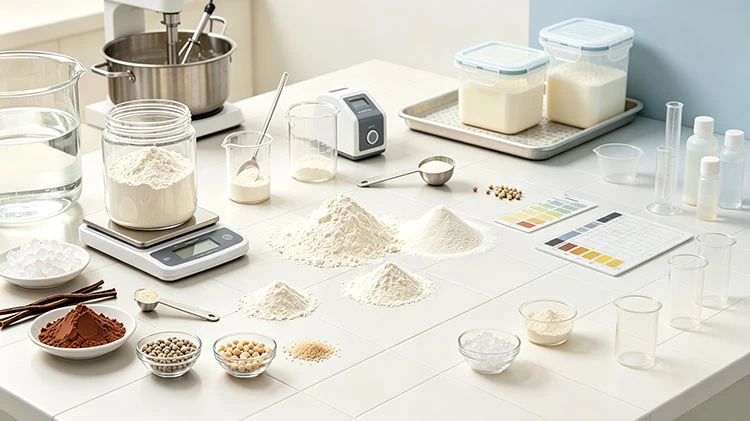
The quantity of whey protein isolate powder may vary depending on the type of final product, the formulation goals, and regulations in various markets. The dosage level is not standardized and will vary by the manufacturer's product specifications.
Common considerations include:
Requirements for the ratio of proteins vary by product category; a beverage powder may have a different protein ratio than a snack product or a blended nutrition formula.
Texture control: It is possible that the increased protein content will impact the viscosity, mouthfeel, and mixing properties of the formula, thus necessitating formula changes.
Ingredient balance: Sweeteners, flavour, carbohydrates, fibres, and minerals can affect the activity of whey protein isolate powder.
Processing conditions: heat treatment, drying technique, and storage conditions should be assessed to ensure the quality of the product.
Typically, pilot trials are performed by a professional formulation team to decide the best level of inclusion and processing conditions prior to commercial production.
Industrial Applications and Market Value of Whey Protein Isolate Powder
As food companies enhance their product offerings with increasing protein content, there is growing consumer interest in clear and pure ingredients; the demand for whey protein isolate powder remains on the rise. It is widely used in various industries.
It can be used in the following areas:
Sports nutrition manufacturing: Application in protein powders, blended nutrition, and other specialized nutrition products.
Functional food production: Applied to protein bars, snacks, and fortified food.
Powder drinks, protein-based beverage solutions: Beverage development.
Private label products: Provide customised product development for brands that want their protein products to stand out.
Distribution of ingredients: Supplies a uniform dairy protein ingredient to the world food value chains.
B2B organizations may also consider production capacity, quality systems, customization capacity, and regulatory documentation when making decisions regarding suppliers. They all have a direct impact on long-term cooperation and product consistency.
Is Whey Protein Isolate Powder Good for You?
Whey Protein Isolate Powder is an important protein ingredient if used in the right balance in a balanced diet or a professionally formulated food product. It is a unique protein source for modern nutrition and the food industry due to its nutritional, functional, and formulation properties. To the manufacturers, important considerations are not only the nutritional properties of the ingredient but also the ability to control quality, formulate the product, process it, and ensure reliable supply management.
Sentian Bio provides free samples, OEM/ODM customized products, and professional technical support. Contact us anytime at sales3@sentianbio.com or LEAVE A MESSAGE!
FAQ
1. What is whey protein isolate powder used for?
Whey protein isolate powder is primarily used to formulate protein powders, protein drinks, functional foods, nutrition bars, and custom food formulations, all of which use dairy protein as an ingredient. It is chosen by the manufacturer according to the protein requirement, texture requirement, and specifications of the product.
2. How is whey protein isolate powder different from whey protein concentrate?
In general, whey protein isolate powder is filtered further to attain a higher protein content and a lower amount of lactose and fat than whey protein concentrate. They can be selected according to the formulation goal and requirements of the product.
3. How much whey protein isolate powder should be used in a formulation?
This will vary based on the finished product type, protein level required, ingredient compatibility, and processing conditions. The optimum inclusion rate is usually calculated by "formulation testing" done by the food manufacturer.
4. Is whey protein isolate powder suitable for beverage production?
Yes, the use of whey protein isolate powder in beverage applications is very common due to its protein content, dispersibility, and compatibility with different beverage formulations. Stability, balance of flavors, and processing conditions should be considered when designing the product for the developer.
References
1. Churchward-Venne, T. A., Pinckaers, P. J. M., van Loon, J. J. C., & van Loon, L. J. C. (2020). Considerations of protein quality, digestion, and absorption in dietary protein recommendations. Nutrients, 12(5), 1529.
2. Phillips, S. M., & Van Loon, L. J. C. (2022). Dietary protein for athletes: From requirements to optimum adaptation. Journal of Sports Sciences, 40(Suppl 1), 1–10.
3. Institute of Food Technologists. (2021). Protein ingredients and their applications in food product development. Food Technology Magazine.
4. Food and Agriculture Organization of the United Nations. (2023). Dietary protein quality evaluation and food ingredient considerations. FAO Publications.