


Are sports supplements safe for teenagers? This is a question that has been debated among parents, coaches, and health professionals for years. As a supplier of sports supplements, I understand the concerns and the importance of providing accurate information. In this blog, I'll explore the safety of sports supplements for teenagers, backed by scientific research, and discuss some of our popular products.
Understanding Sports Supplements
Sports supplements are products designed to enhance athletic performance, improve recovery, and support overall health and fitness. They come in various forms, including powders, capsules, and gummies. Common ingredients in sports supplements include protein, creatine, vitamins, and minerals. While these supplements can be beneficial for adults, the situation is different for teenagers.
The Growing Body of Teenagers
Teenagers are in a crucial stage of growth and development. Their bodies are still maturing, and their nutritional needs are different from those of adults. During adolescence, the body undergoes significant changes, including hormonal fluctuations, bone growth, and muscle development. These changes require a balanced diet rich in nutrients to support proper growth.
Safety Concerns for Teenagers
One of the primary concerns about sports supplements for teenagers is the potential for adverse effects on growth and development. Some supplements may contain ingredients that could interfere with normal hormonal function, bone density, or organ development. For example, high doses of protein supplements may put extra strain on the kidneys, which are still developing in teenagers.
Another concern is the lack of regulation in the sports supplement industry. Not all supplements are created equal, and some may contain contaminants or inaccurate labeling. This makes it difficult for consumers, especially teenagers, to know exactly what they are taking.
Scientific Evidence
Numerous scientific studies have examined the safety and efficacy of sports supplements in teenagers. A review published in the Journal of Adolescent Health found that while some supplements, such as protein and creatine, may have benefits for athletic performance, there is limited evidence to support their use in teenagers. The review also noted that more research is needed to understand the long - term effects of these supplements on adolescent health.
A study on creatine supplementation in teenagers showed that when used in appropriate doses, creatine can improve strength and power in short - term high - intensity exercise. However, the study also emphasized the importance of following proper dosing guidelines and ensuring that teenagers are under the supervision of a qualified healthcare professional.
Our Sports Supplements for Teenagers
At our company, we are committed to providing safe and high - quality sports supplements. We understand the unique needs of teenagers and have developed products that are formulated with their health and safety in mind.
Our Creatine HCL Gummies are a great option for teenagers who are looking to improve their athletic performance. These gummies are easy to take and contain a safe and effective dose of creatine HCL. Creatine HCL is a more soluble form of creatine, which means it is better absorbed by the body.

We also offer Best Creatine Monohydrate Gummies. Creatine monohydrate is one of the most well - studied sports supplements, and our gummies provide a convenient way for teenagers to get this beneficial ingredient. They are formulated with natural flavors and sweeteners, making them a delicious and healthy choice.
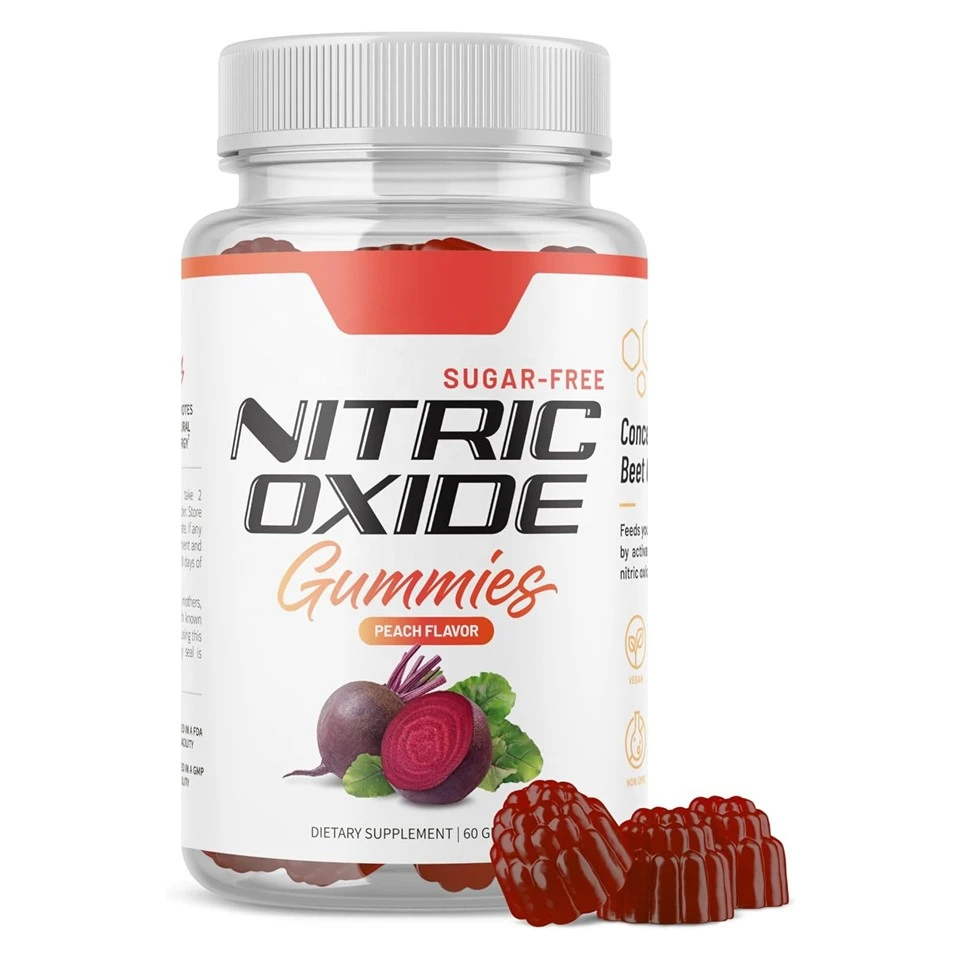
Our Nitric Oxide Beetroot Gummy is another product that can benefit teenagers. Nitric oxide helps to improve blood flow, which can enhance exercise performance and reduce muscle fatigue. Beetroot is a natural source of nitric oxide, and our gummies provide a convenient way to get this nutrient.
Guidelines for Teenagers Using Sports Supplements
If a teenager is considering using sports supplements, it is important to follow these guidelines:
- Consult a healthcare professional: Before starting any supplement regimen, teenagers should talk to their doctor or a registered dietitian. A healthcare professional can assess the teenager's health status, nutritional needs, and athletic goals, and provide personalized advice.
- Read labels carefully: Teenagers should always read the labels of sports supplements to understand the ingredients, dosing instructions, and potential side effects. They should also look for supplements that have been tested by a third - party organization for quality and purity.
- Start with a low dose: If a supplement is recommended, it is advisable to start with a low dose and gradually increase it as needed. This can help to minimize the risk of adverse effects.
- Combine with a balanced diet: Sports supplements should not replace a balanced diet. Teenagers should continue to eat a variety of foods, including fruits, vegetables, whole grains, lean proteins, and healthy fats, to meet their nutritional needs.
Contact Us for Purchase and Consultation
If you are a parent, coach, or teenager interested in our sports supplements, we encourage you to contact us. We have a team of experts who can provide more information about our products, answer your questions, and guide you through the purchasing process. Whether you are looking for a safe and effective way to support your teenager's athletic performance or have concerns about sports supplements, we are here to help.
Conclusion
In conclusion, the safety of sports supplements for teenagers is a complex issue. While some supplements may have benefits for athletic performance, there are also potential risks, especially if they are not used properly. At our company, we are dedicated to providing high - quality and safe sports supplements for teenagers. By following the guidelines and consulting with a healthcare professional, teenagers can make informed decisions about using sports supplements.
References
- Journal of Adolescent Health. "Review of Sports Supplements in Adolescents."
- Study on Creatine Supplementation in Teenagers, [specific journal details if available]


