


In the realm of fitness and sports performance, the age - old debate between sports supplements and traditional diets has been a hot topic. As a sports supplement supplier, I've witnessed firsthand the evolving attitudes towards both approaches. This blog aims to delve into the benefits of sports supplements and compare them to the advantages of a traditional diet.
Benefits of a Traditional Diet
A traditional diet is the cornerstone of good health. It provides a wide range of nutrients in their most natural forms. Fruits, vegetables, grains, lean proteins, and healthy fats are the building blocks of a well - rounded diet.
Nutrient Diversity
One of the greatest strengths of a traditional diet is its ability to offer a diverse array of nutrients. For example, a single apple contains not only vitamin C but also dietary fiber, potassium, and various antioxidants. These nutrients work synergistically to support overall health. Different colors of fruits and vegetables indicate different types of antioxidants, such as the anthocyanins in blueberries, which have been linked to reduced inflammation and improved cognitive function.
Digestibility and Absorption
Our bodies are well - adapted to digest and absorb nutrients from whole foods. The natural combination of components in traditional foods aids in the absorption process. For instance, the fat in avocados helps the body absorb fat - soluble vitamins like vitamin A, D, E, and K from other foods in the meal. Moreover, the fiber in whole grains and legumes slows down the digestion process, leading to a more stable release of energy and better blood sugar control.
Long - Term Health Benefits
A diet rich in whole foods has been associated with a reduced risk of chronic diseases. Diets high in fruits, vegetables, and whole grains can lower the risk of heart disease, certain cancers, and type 2 diabetes. The antioxidants and anti - inflammatory compounds in these foods help protect cells from damage and reduce inflammation in the body.
Benefits of Sports Supplements
Sports supplements, on the other hand, are designed to fill specific nutritional gaps and enhance athletic performance. They come in various forms, such as powders, capsules, and gummies.
Targeted Nutrient Delivery
Sports supplements can provide a concentrated dose of specific nutrients. For example, Nitric Oxide Beetroot Gummy is formulated to boost nitric oxide production in the body. Nitric oxide helps dilate blood vessels, improving blood flow to muscles during exercise. This can lead to increased endurance, better oxygen delivery, and faster recovery.

Convenience
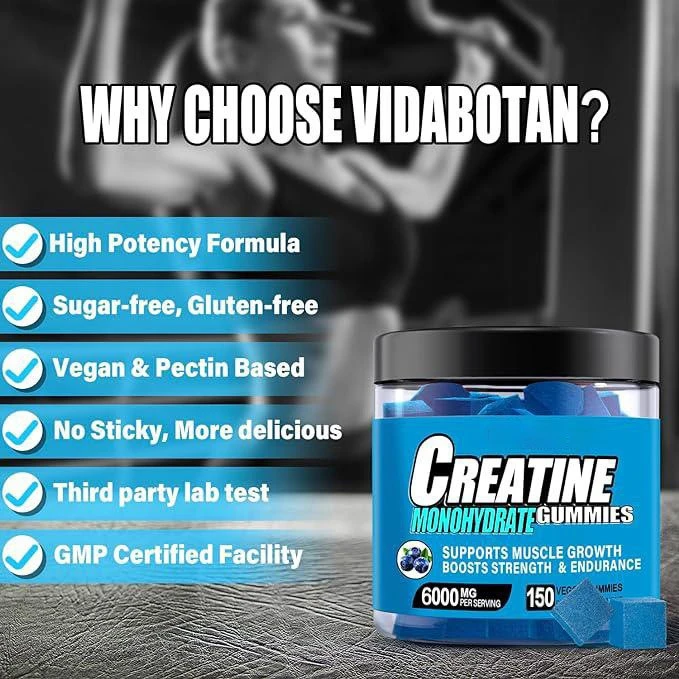
In today's fast - paced world, it can be challenging to consume a perfectly balanced diet all the time. Sports supplements offer a convenient alternative. Creatine, a popular sports supplement, is available in Creatine HCL Gummies. These gummies are easy to carry around and can be consumed on the go, whether you're at the gym, traveling, or simply short on time.
Performance Enhancement
Some sports supplements are specifically designed to improve athletic performance. Best Creatine Gummy can increase muscle strength and power. Creatine helps regenerate ATP (adenosine triphosphate), the primary energy currency of cells, allowing athletes to perform more intense workouts and recover more quickly between sets.
Comparing the Two
When comparing sports supplements to a traditional diet, it's important to note that they are not mutually exclusive. In fact, they can complement each other.
Nutritional Completeness
A traditional diet provides a broad spectrum of nutrients that are essential for overall health. However, it may not always meet the specific and increased nutritional needs of athletes. Sports supplements can fill these gaps. For example, an athlete with a high - intensity training schedule may require more protein than can be easily obtained from a normal diet. In such cases, a protein supplement can be beneficial.
Cost - effectiveness
A traditional diet can be cost - effective, especially if you focus on seasonal and locally sourced foods. However, some high - quality sports supplements can be relatively expensive. But when considering the potential performance benefits and the convenience they offer, the cost may be justified for serious athletes.
Taste and Palatability
Whole foods come in a wide variety of flavors, and many people enjoy the natural taste of fruits, vegetables, and meats. However, some sports supplements, especially in gummy form, are formulated to be tasty and appealing. This can make it easier for athletes to consume the necessary nutrients, especially if they have a limited appetite during or after intense training.
When to Choose Sports Supplements or a Traditional Diet
For General Health
For individuals looking to maintain general health, a traditional diet should be the foundation. Eating a balanced diet of whole foods provides all the necessary nutrients for normal bodily functions. However, in some cases, such as when there are dietary restrictions or specific health conditions, supplements may be recommended. For example, a person with lactose intolerance may need a calcium supplement.
For Athletes
Athletes have unique nutritional needs. A traditional diet should still form the basis of their nutrition, but sports supplements can play a crucial role in enhancing performance and supporting recovery. For example, endurance athletes may benefit from carbohydrate - based supplements during long - distance events to maintain energy levels, while strength athletes may rely on creatine and protein supplements to build and repair muscle.
Conclusion
In conclusion, both sports supplements and traditional diets have their own unique benefits. A traditional diet is essential for overall health, providing a diverse range of nutrients in a natural and easily digestible form. Sports supplements, on the other hand, offer targeted nutrient delivery, convenience, and performance enhancement.
As a sports supplement supplier, I believe that the key is to find the right balance between the two. Athletes and fitness enthusiasts should consult with a nutritionist or a sports dietitian to determine their specific nutritional needs and decide which supplements, if any, are appropriate for them.
If you're interested in exploring our range of high - quality sports supplements, including Nitric Oxide Beetroot Gummy, Creatine HCL Gummies, and Best Creatine Gummy, I encourage you to reach out to us for procurement and further discussions. We are committed to providing products that can help you achieve your fitness and performance goals.
References
- American Dietetic Association. (2009). Position of the American Dietetic Association, Dietitians of Canada, and the American College of Sports Medicine: Nutrition and athletic performance. Journal of the American Dietetic Association, 109(3), 509 - 527.
- Borsheim, E., & Børsheim, A. (2016). Protein intake and exercise for optimal muscle function with aging: Recommendations from a scientific round table. Journal of the International Society of Sports Nutrition, 13(1), 26.
- Lemon, P. W. (1998). Effects of exercise on dietary protein requirements. International Journal of Sport Nutrition, 8(4), 326 - 342.


