


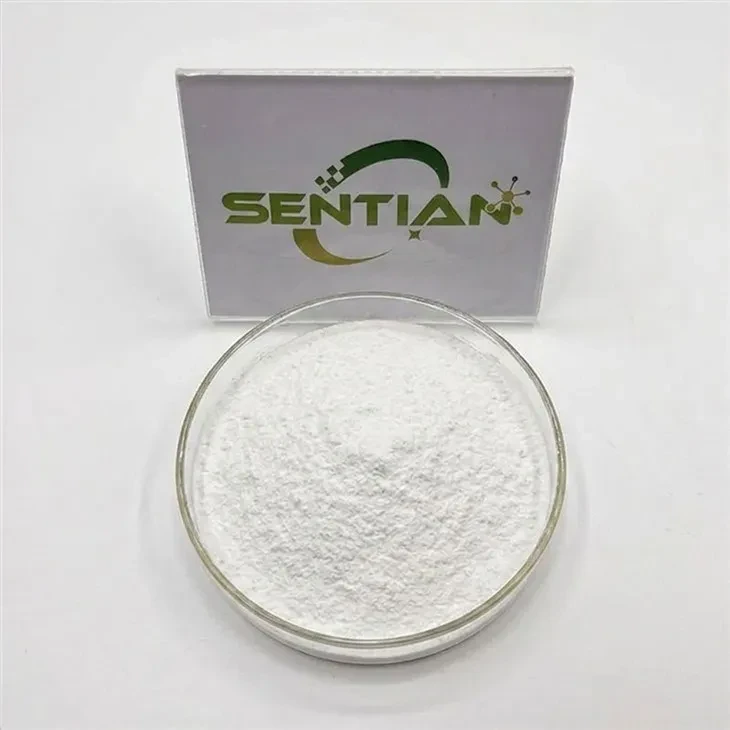
What is Dihydromyricetin Bulk Powder?
Dihydromyricetin Bulk Powder is a bulk powder form of a plant-based flavonoid that is available on an industrial scale for use as an ingredient in the formulation and manufacture of products. It is usually purified using either water or ethanol, concentrated, and finely milled to form a stable, free-flowing powder that can be used in further processing. It is widely utilized as a practical raw material in a variety of nutraceutical formulations, beverage development, cosmetic ingredient systems, and as a research tool for product development, all of which demand a consistent production outcome requiring standardized plant extracts. Manufacturing using it is beneficial because of its relatively high purity grades (often quantified by HPLC), its good solubility characteristics depending on particle size, and its potential (and compatibility) with a variety of excipient systems, including starches, cellulose derivatives, and natural carriers. It can usually be found in various sizes and specifications to satisfy the requirements for manufacturing, such as capsule filling, tablet blending, liquid formulation, and powdered drink premixes. With its wide range of applications in formulation, it is also convenient for extraction and can be standardized for grading, which allows it to be used in many industries such as functional ingredients, beverage innovation, and cosmetic raw materials companies.

COA
| Item | Specification | Result |
| Appearance | Off-white to light yellow fine powder | Light yellow fine powder |
| Odor | Characteristic | Characteristic |
| Assay (Dihydromyricetin) | ≥ 98.0% | 98.60% |
| Mesh Size | 80–120 mesh | 100 mesh |
| Moisture | ≤ 5.0% | 3.20% |
| Ash Content | ≤ 1.0% | 0.60% |
| Lead (Pb) | ≤ 2 ppm | 0.8 ppm |
| Arsenic (As) | ≤ 1 ppm | 0.4 ppm |
| Cadmium (Cd) | ≤ 1 ppm | 0.3 ppm |
| Mercury (Hg) | ≤ 0.1 ppm | 0.02 ppm |
| Total Heavy Metals | ≤ 10 ppm | 2.1 ppm |
| Total Plate Count | ≤ 1,000 cfu/g | 320 cfu/g |
| Yeast & Mold | ≤ 100 cfu/g | 45 cfu/g |
| E. coli | Negative | Negative |
| Salmonella | Negative | Negative |
| Ethanol Residue | ≤ 5,000 ppm | 1,200 ppm |
| Methanol | Not detected | Not detected |
Sentian Bio provides free samples, OEM/ODM customized products, and professional technical support. Contact us anytime at sales3@sentianbio.com or
Working Principle
Dihydromyricetin is a polyphenolic flavonoid with the primary activity related to modulation of oxidative-reduction balance and interaction with several cellular signalling pathways. It is mainly because of its role in the process of electron donation and free radical neutralization that it is involved in these processes to reduce oxidative stress load in experimental biochemical models. Furthermore, it has been seen to interact with enzyme systems that are related to phase I and phase II metabolic pathways, such as those associated with alcohol metabolism and with lipid oxidation pathways, thus warranting consideration in the investigation of metabolic and functional ingredients. In the cellular signaling context, it has been described to modulate cellular pathways that regulate intracellular energy sensing (such as AMPK pathways) and antioxidant response regulation (such as Nrf2 pathways) in vitro, which are well-studied cellular pathways in metabolic and oxidative stress research. The interactions are not a direct pharmacological effect but rather a part of its overall regulatory profile in cell energy homeostasis and redox signaling.
Why Dihydromyricetin Bulk Powder Popular?
1. Strong scientific research interest
It is well studied in research laboratories and animal models that are related to the oxidative-reduction balance, enzyme interactions, and pathways of cellular energy regulation. This attention by scientists has boosted its visibility for formulators who place importance on the ingredients that have already been researched and documented in the biochemical field, although mainly at the experimental level.
2. Multi-pathway biochemical profile
It belongs to a class of compounds known as flavonoids, and there are several biological interaction pathways related to flavonoids that have been studied in research environments-such as antioxidant activity models, modulation of metabolic enzymes and regulation of cellular signaling. The multi-target profile makes it desirable for botanical developers interested in having a versatile source of botanicals that can be used in a variety of formulation concepts.
3. Clean-label and natural origin positioning
It's a plant-based ingredient that's derived from Ampelopsis grossedentata, making it a recognized and easily identifiable ingredient to meet growing consumer demand. Botanical extracts are favored by many brands because they complement the clean-label positioning of their products and offer consumers a story for their final formulations based on natural sources.
4. High compatibility in formulation systems
Available in standardized grades, Dihydromyricetin Powder can be added to capsules, tablets, powdered beverages, or cosmetic systems. It comes in various formats, making it ideal for manufacturers with a diverse range of products.
5. Scalable bulk supply and specification control
Its availability in bulk quantity and its ability to have controlled specifications like Assay Purity (HPLC), Particle Size Distribution, Moisture Limits, and Heavy Metal Compliance are appreciated by the Industrial buyers. This uniformity enables large-scale production with consistency and helps to facilitate the supplier qualification process.
6. Fit with global functional ingredient trends
It's interesting to note that its positioning as a plant-derived compound dovetails with the current flavor of the industry: functional botanicals, ingredient transparency, and diversified product development pipelines involving plant extracts in today's modern and innovative nutraceutical and cosmetic formulations.

Suitable For
Vine Tea DHM can be used in various end-product consumer segments such as functional ingredients, beverage innovation, and personal care. It is popular among brands creating products for an adult audience that is interested in science-based, plant-based lifestyle products and clean labels. These end consumers are sometimes people who wish to use botanical extracts as a component of their health or wellness regimen, e.g., cosmetic products, functional foods, capsules, and drinks. It is also ideal for active lifestyle and urban consumer groups that want to use modern, convenient formulations that fit into their busy lives, such as ready-to-mix beverage systems and/or on-the-go supplement formats. It is also often part of top-tier lines that target those consumers who desire ingredient transparency, a standardized sourcing of botanicals, and multi-functional plant extract formulations. Cosmetic and personal care products could appeal to skincare-oriented consumers who are interested in "plant-derived" ingredients in skincare products, like serums, creams and emulsions.
Production Process

Certificate

Exhibition
