Greens (green leafy vegetables) usually refer to a class of vegetables with fresh leaves as the edible part, covering multiple plant varieties. Common ones include lettuce, spinach, kale, etc. According to nutritional differences, green leafy vegetables can be divided into two categories:
Dark green leafy vegetables (such as kale, mustard greens, turnip leaves, chard, etc.) are rich in vitamins, minerals and antioxidants, and their nutritional value is significantly higher than that of light-colored varieties;
Light-colored green leafy vegetables (such as ordinary lettuce) are relatively less nutritious. Dark green leafy vegetables have a wide range of uses:
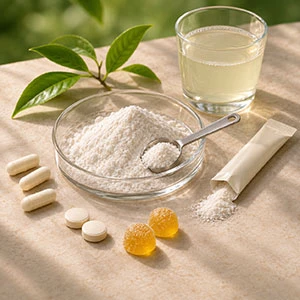
They can be squeezed into green juice or made into green superfood powder (Green Superfood Powder), often with ingredients such as alfalfa, oats, and seaweed to utilize their high concentration of phytonutrients; They are resistant to high temperature cooking and are suitable for a variety of cooking methods such as stir-frying, boiling, and stewing. These vegetables are often regarded as "superfoods" because of their high dietary fiber, low calories and rich phytochemicals.

Benefits of Greens
Greens (such as spinach, kale, broccoli, etc.) are natural "nutritional treasures" rich in vitamins A, C, K, folic acid, iron, calcium and other essential nutrients. For people who do not consume enough vegetables on a daily basis, supplementing with Greens can effectively fill the nutritional gap, enhance immunity and maintain normal metabolic function of the body. In addition, the antioxidant ingredients (such as beta-carotene and lutein) can neutralize free radicals, delay cell oxidation and reduce the risk of chronic diseases. Greens are extremely low in calories and rich in dietary fiber, which can not only provide a lasting sense of fullness, reduce unnecessary snack intake, but also promote intestinal peristalsis and improve digestive function. Long-term intake helps maintain a healthy weight, especially for people who lose fat or control sugar.
Studies have also shown that specific active substances in Greens (such as nitrates and chlorophyll) may further support cardiovascular health, regulate blood pressure, and even improve cognitive function. Whether as salads, juices, or concentrated powders, incorporating them into your daily diet is a simple and efficient health choice. Besides that, the low calories and high fiber can help manage a healthy weight and support your stomach, keeping you full while helping your stomach.
You might consider taking leafy green powder to help you get more veggies in. Research shows that consuming at least three to four servings of vegetables a day is best for health.
You can get some guidance from organizations like the U.S. Department of Agriculture (USDA), which recommends that fruits and vegetables make up half of your plate. The American Heart Association recommends four to five servings of fruits and vegetables a day.
"If you're eating a lot of fruits and vegetables, then you're probably already meeting your nutritional needs, and leafy green powders may not be necessary," she says. "But if you're having a hard time getting enough fruits and vegetables, it's something you might consider."

How to Choose Supergreens?
Some Supergreens go beyond the average nutritional supplement by adding dried fruits, adaptogens like ashwagandha, probiotics like Bacillus coagulans, and gastrointestinal enzymes like amylase and lipase. These added ingredients may help support overall gut health and may help support healthy gastrointestinal function and maintain a healthy gut, and may also help with the process of nutrient absorption.


Green Powder
When should I take greens powder?
First, it's best to take them before breakfast; your empty stomach will aid in absorption. Morning is a good time anyway, considering greens are designed to give you an energy boost to carry you through your day, so starting early makes sense.
Is green powder good for losing weight?
The short answer is yes. Greens powders may help with weight loss. The long answer is that greens powders are part of your weight loss solution. Simply taking a greens powder and not making any changes to your diet or workout program will not result in long-term, meaningful weight loss.
Can you drink green powder on empty stomach?
Should you Drink Greens Powders On An Empty Stomach? Not only is the morning the best time to drink greens powders, but it is also the most convenient time. This is because drinking greens powders on an empty stomach is also recommended to increase absorption of the nutrients.
What to mix with green superfood powder?
Blending the powder into a smoothie with delicious ingredients like frozen strawberries, nut butter, apple juice, spinach, and bananas help you integrate more greens, fiber, and different fruits into your day.