What is Vitamin B12?
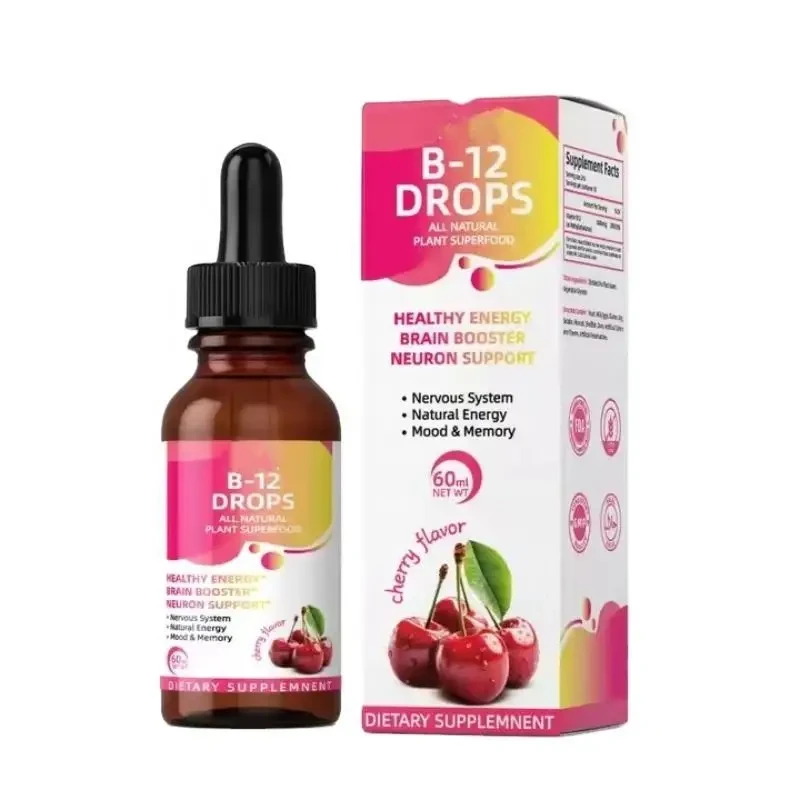
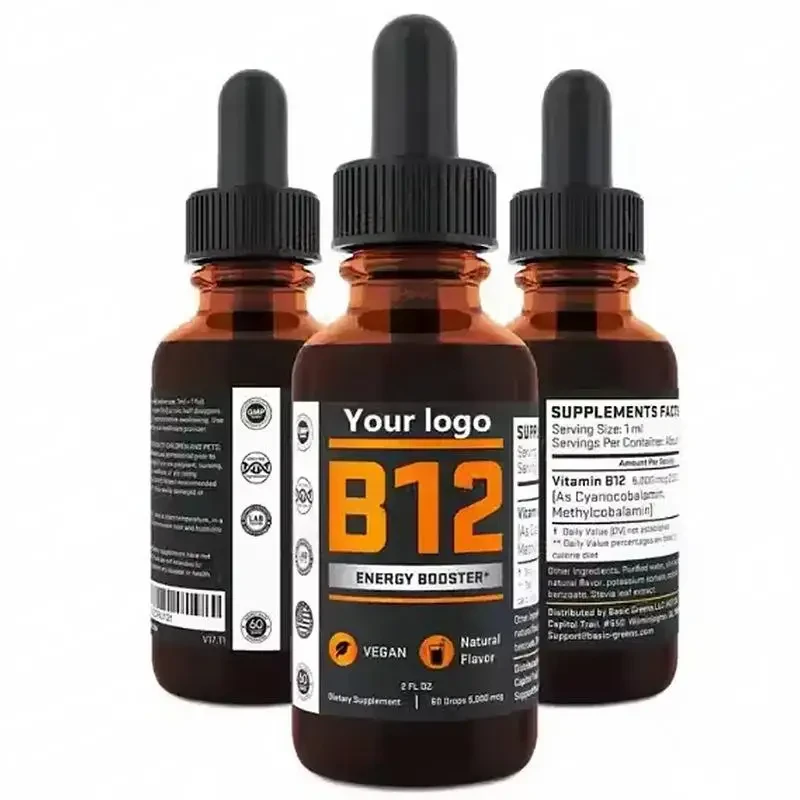
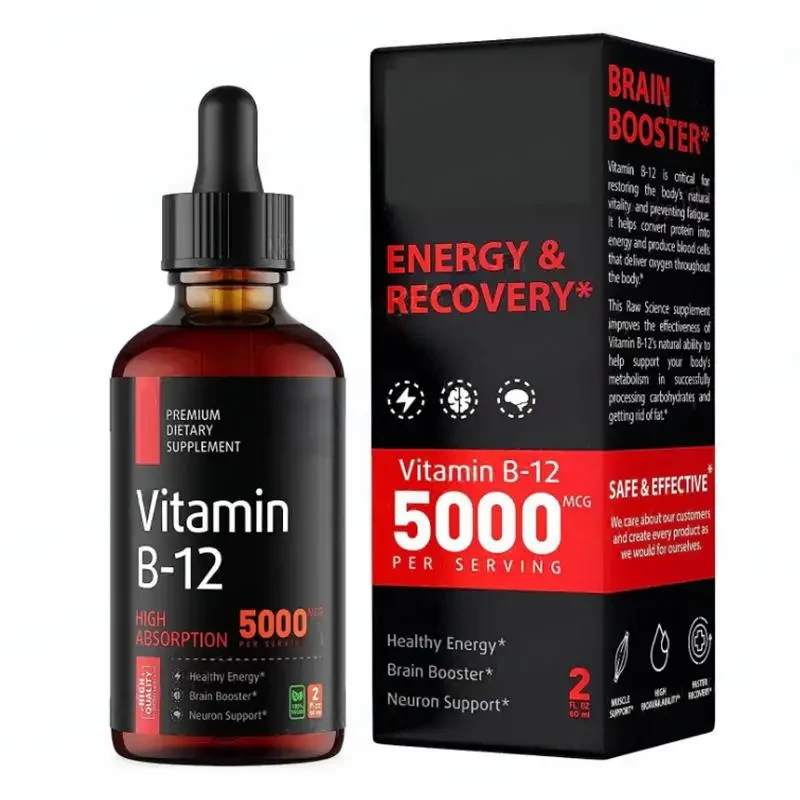
Vitamin B12, also known as cobalamin, is an essential vitamin that the human body cannot produce on its own.
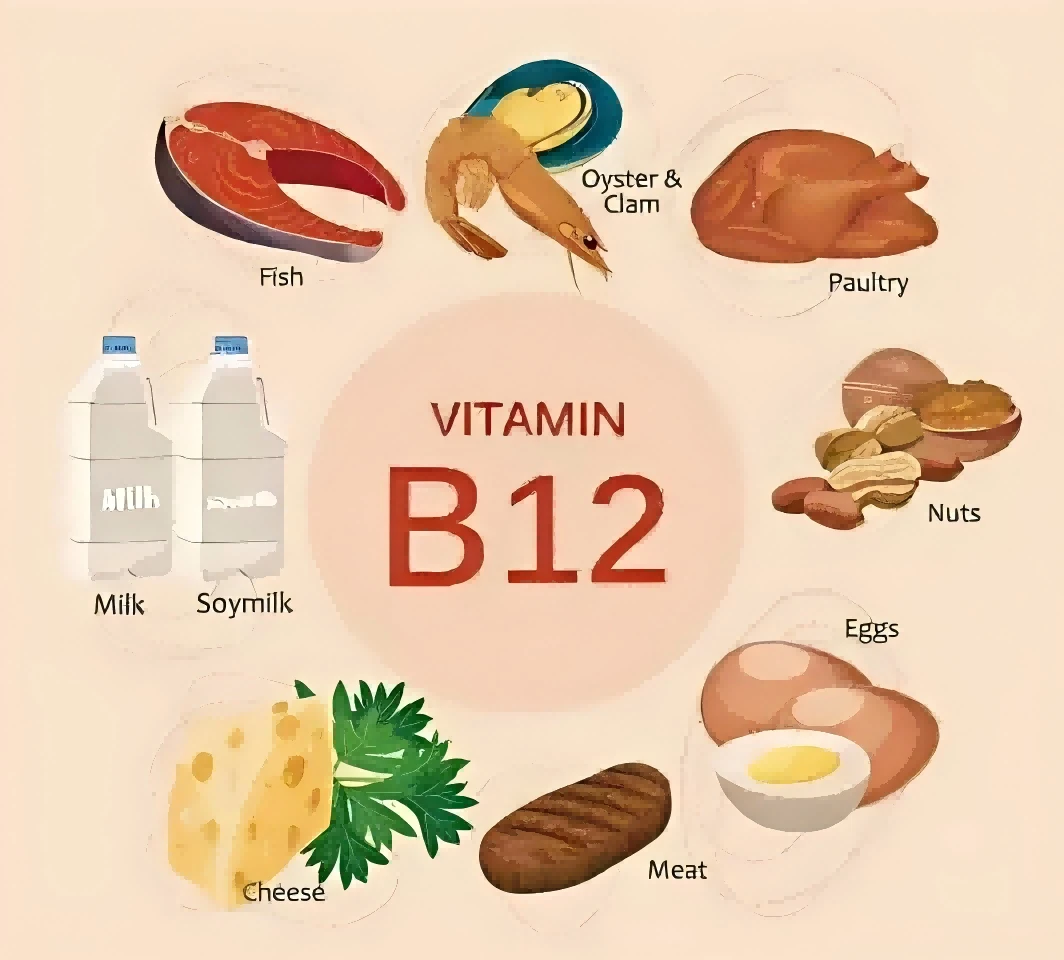
It naturally exists in animal products, can also be added to certain foods, and can be used as an oral supplement or injection.
Vitamin B12 plays multiple roles in the human body. It supports the function of nerve cells and is necessary for the formation of red blood cells and DNA synthesis.
For most adults, the recommended dietary intake (RDA) is 2.4 micrograms (mcg), but the recommended intake for pregnant or lactating women may be higher. Vitamin B12 supplements may benefit your body and overall health in multiple ways, from protecting your eyes and brain to benefiting your bones, hair, and skin.

The function of vitamin B12
Vitamin B12 is an essential nutrient for brain health, particularly beneficial for neuroprotection and cognitive function. A balanced diet can usually meet the needs, but specific populations need to actively supplement. If there is suspicion of deficiency or occurrence of conditions opposite to its efficacy (as shown on the right), it is recommended to seek medical examination.

Improve memory and cognitive function
Some studies have shown that older adults with sufficient B12 have slower cognitive decline. Severe deficiency may lead to irreversible nerve damage. Co regulating homocysteine with folate (B9) to protect brain cells

Support neurological health
B12 participates in the synthesis of the protective layer of nerve fibers, and its deficiency may lead to impaired nerve conduction, resulting in decreased memory and lack of concentration.

Relieve fatigue and emotions
B12 helps with red blood cell production, improves brain oxygen supply, and alleviates brain fog and fatigue. It can also regulate emotions.
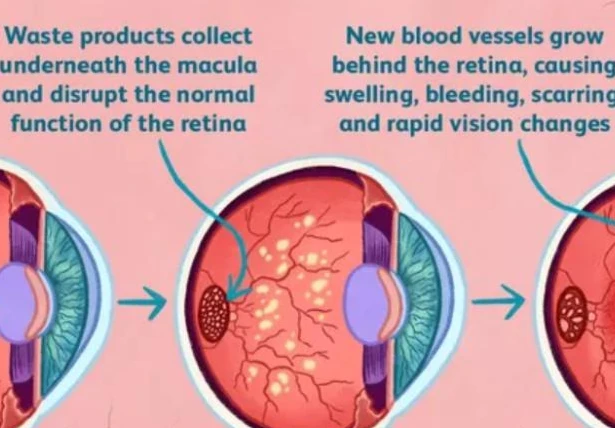
Reduce the risk of macular degeneration
Research has shown that the synergistic effect of B12, folate, and B6 can significantly reduce homocysteine levels in the blood, mainly aimed at reducing damage to retinal blood vessels and minimizing oxidative damage.
What is the correct dosage of vitamin B12?
According to reliable sources from the National Institutes of Health (NIH), the recommended dietary intake (RDA) is as follows:
- 2.4 micrograms (mcg) per day for individuals aged 14 and above
- Pregnant women consume 2.6 micrograms per day
- 2.8 micrograms per day for lactating women
Obtaining vitamin B12 from food may be feasible. However, doctors may recommend taking vitamin B12 supplements because some people cannot fully absorb it from food, and the body's ability to absorb vitamin B12 decreases with age.
We have a variety of vitamin supplements, and we warmly welcome you to inquire for detailed information.
Our address
Xi'an Sentian Biotechnology Co., Ltd
Phone Number
+8614793311682
sales9@sentianbio.com
OEM/ODM sERVICE