


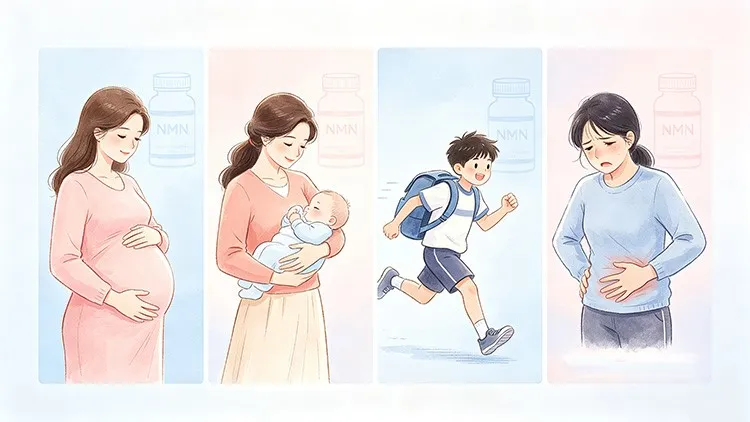
People with specific medical histories, such as pregnant or nursing mothers, children, and those with certain metabolic conditions or known sensitivity to B-vitamin derivatives, should talk to a health care provider before taking NMN supplements.
Understanding the Technical Profile of NMN in Industrial Applications
Nicotinamide Mononucleotide, or NMN, is a nucleotide composed of nicotinamide and ribose. In the international market, NMN is known as a high-quality raw material that is used mainly in the production of high-quality dietary supplements and functional foods. The stability and formulation methods of NMN are important to consider as a precursor to Nicotinamide Adenine Dinucleotide (NAD+), especially for the efficacy in the end-user application.
The production process of NMN bulk powder is a complicated enzymatic synthesis or chemical synthesis process. To guarantee safety and meet regulatory standards, high-quality NMN raw materials need to be at least 99% pure. An analysis of the biochemical interaction of the molecule with the human metabolic system is key to considering who should not take NMN. Due to its effects on cellular energy pathways, there's a need for a fine understanding of dosage factors and the biological profile of the target consumer.
Identifying Groups Who Should Not Take NMN Based on Physiological Factors
NMN is considered safe for healthy adults within recommended dosage limits, but there are groups that should look out for its potential side effects.
Expectant mothers and Nursing Mothers are excluded
Pregnant and breastfeeding women are at the top of the list of those who should avoid taking NMN. At present, the potential of NMN supplementation during pregnancy has been poorly studied, and there are no long-term, human clinical trials. The production of cells is very fast in the embryo, and there is a specific programming that takes place, so it is not recommended to add endogenous forms of NAD+, such as NMN, without medical supervision.
Pediatric Populations and Adolescents
Children and adolescents have abundant levels of their own, or endogenous, NAD+. Children and adolescents have naturally high endogenously produced (or endogenous) levels of NAD+. The use of NMN in the biochemical field is conceived for the purpose of helping to cope with age-related metabolic changes. While it's logical that younger people may require NMN intake, it's not backed up by scientific evidence, and there is no research into the effects of NMN on natural hormonal and metabolic maturation.
People who are sensitive to B vitamins
Note that NMN is a form of Vitamin B3 (niacin) and so, individuals who have had severe reactions to niacin or nicotinamide should proceed with caution. High-purity NMN generally does not cause the "niacin flush" that is a feature of nicotinic acid, but sensitivity to the basic pyridine ring structure can occur.
Technical Formulation Factors and Product Stability
A successful product based on NMN is largely dependent on the chemistry of the product and the interdependence of ingredients.
Interactions with Specialized Formulations
Manufacturers can also add sirtuin activators, such as Resveratrol or Pterostilbene, to NMN. Those with sensitivities to these secondary compounds, or people using drugs that may interact with NMN metabolism, should carefully consider their NMN product. Moisture content or pH can also be a factor that can cause degradation of NMN to nicotinamide in multi-ingredient formulations.
The metabolic load and high doses
It is important to know the proper dosage of NMN. The doses used in many studies are in the range of 250mg to 1000mg, but people with high doses (above metabolic needs) are putting an unnecessary burden on the methylation cycle. People with faulty methylation pathways (such as certain genetic mutations) might need to keep an eye on their intake of NMN and prevent them from becoming deficient in any of the methyl donors, such as betaine or folate.
Industry Applications and Manufacturing Standards for NMN
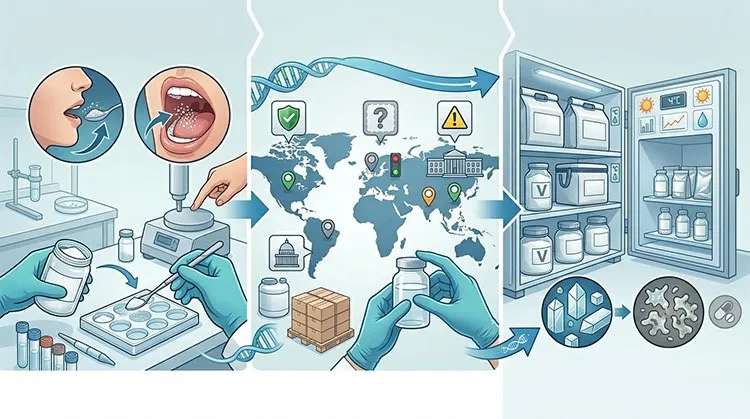
NMN raw materials are safe materials that need to be strictly used in B2B procurement. The solubility and the way NMN is absorbed into the various delivery methods (including powder under the tongue and enteric-coated capsules) are key for manufacturers.
Compliance with Regulations in various Jurisdictions
The views of different regions on the status of NMN are different. It is included in some markets as a dietary ingredient, and in other markets as a "new food" or "novel ingredient". Companies need to make sure the dosage and labelling of NMN are consistent with the requirements of the health authorities in the country in question so that consumers' safety can be ensured.
Storage and Environmental Stability of NMN
NMN is temperature and light-sensitive. For B2B clients, it is important that the NMN powders are thoroughly tested for stability. When the NMN is degraded, it is no longer effective; however, it is not toxic and can be used in a product, but it just may not be capable of meeting the technical criteria and specifications for a professional health product.
Conclusion
To summarize, specific life stages (e.g., childhood and pregnancy) and metabolic sensitivities (e.g., individual) should be taken into consideration when deciding who should not take NMN. Although NMN is a fundamental research subject of cellular health and also high value botanical raw material in the international market, it is not a 'one size fits all' option. The emphasis must be on high-purity NMN formulation, factors of scientific dosage, and exclusion of vulnerable populations to achieve the best level of safety and professionalism.
Sentian Bio provides free samples, OEM/ODM customized products, and professional technical support. Contact us anytime at sales3@sentianbio.com or LEAVE A MESSAGE!
FAQ
Q1: Is there a specific age limit for who should not take NMN?
A: In short, the age group to which NMN is targeted is generally middle-aged and older adults. It is not suggested for children or teenagers as their natural production of NAD+ is already high, and the long-term effects of supplementation of NMN to developing systems are not known.
Q2: Can individuals with stomach sensitivity use NMN capsules?
A: NMN has good solubility but may be affected by the acidity of the stomach sometimes. If you have a sensitive digestive tract, it might be better to take enteric-coated NMN capsules or to deliver NMN sublingually to avoid causing irritation in the stomach.
Q3: Are there specific NMN dosage factors that lead to side effects?
A: There are no known side effects of NMN, and most clinical studies have shown that it is safe for use in doses up to 1250mg per day. But, in sensitive users, overdosing could cause small problems such as headaches or mild nausea.
Q4: Should I avoid NMN if I have a B-vitamin allergy?
A: Vitamin B3/nicotinamide allergy sufferers should take extra caution as NMN is a nicotinamide derivative. If you want to use a product that contains NMN, it's best to speak with an allergist first.
References
1. Igarashi, M., et al. (2022). Chronic nicotinamide mononucleotide supplementation elevates blood nicotinamide adenine dinucleotide levels and alters muscle function in healthy older men. NPJ Aging and Mechanisms of Disease.
2. Pencina, K. M., et al. (2023). Nicotinamide Mononucleotide Supplementation: Safety and Efficacy in Humans. Journal of Clinical Endocrinology & Metabolism.
3. Yi, L., et al. (2023). The efficacy and safety of β-nicotinamide mononucleotide (NMN) supplementation in healthy middle-aged adults: a randomized, multicenter, double-blind, placebo-controlled, parallel-group, dose-dependent clinical trial. GeroScience.
4. Okabe, K., et al. (2020). Implications of altered NAD metabolism in metabolic disorders. Journal of Biomedical Science.