


What is Sucralose?
Sucralose is a zero calorie artificial sweetener, and Splenda is the most common sucralose-based product.
Sucralose is made from sugar in a multistep chemical process in which three hydroxyl groups are replaced with chlorine atoms.
Supposedly, it was discovered in 1976 when a scientist at a British college allegedly misheard instructions about testing a substance. Instead, he tasted it, realizing that it was highly sweet.
Everything You Need to Know
Is sucralose healthy or unhealthy?
Sucralose (widely known as Splenda) is generally considered safe for consumption by major food safety authorities like the FDA and EFSA within set daily limits. While beneficial for short-term calorie reduction and blood sugar management, recent studies raise questions regarding long-term, high-dose use, including potential changes to the gut microbiome, inflammation, and insulin sensitivity.
Which is safer, sucralose or stevia?
After all, that's the main reason everyone is looking for zero-calorie sweeteners. Both stevia and sucralose have been approved by the FDA and are classified as GRAS (Generally Recognized As Safe), which means they're considered safe for everyday use.
What is the most unhealthy sweetener?
Alternative Sugars You Should Actually Avoid
Artificial and low-calorie sweeteners, such as aspartame, sucralose, saccharin, and neotame are considered the worst of the worst in the realm of alternative sweeteners.
Should I avoid sucralose in protein powder?
Some studies show that sucralose may alter glucose, insulin, and gut hormone levels, which can have impact on overall health. If you're choosing whether or not to consume a product with sucralose, it's probably best to avoid it and settle for a clean version.
Main Details:
Safety Status: The FDA (5 mg/kg body weight/day) and WHO (15 mg/kg body weight/day) deem it safe. It does not cause cancer, according to current major studies.
Benefits: Useful for reducing calorie intake and managing diabetes when used as a direct replacement for sugar.
Potential Negatives: Some research indicates it may not be as inert as previously thought, with potential to trigger gut microbiome changes, increase inflammation, or stimulate appetite.
Cooking/Baking: Stable at high temperatures, but some studies suggest that heating sucralose above 120∘𝐶(248∘𝐹) could lead to the formation of harmful chlorinated compounds.
Conclusion: It is not inherently "bad" in moderation for most people, but it is best used as a tool for reducing sugar consumption, rather than a health-promoting product, and should be consumed in moderation.
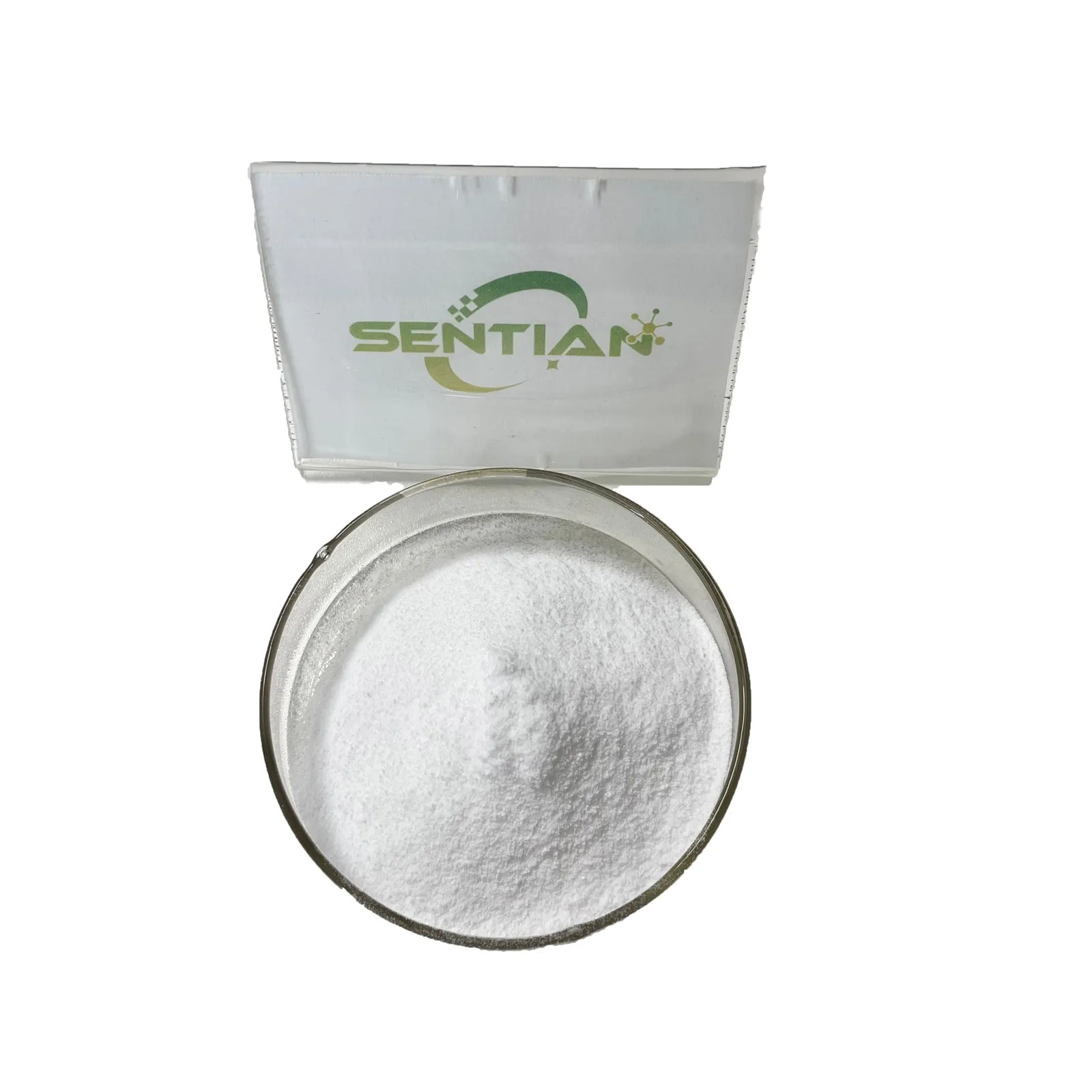

Discovery and Use: Discovered in 1975, it was introduced in the US in 1998 and is commonly found in "diet" foods, beverages, and baked goods.
Properties: It is heat-stable, allowing it to be used in baking and cooking without losing its sweetness.
Health Impact: Although approved by major authorities, some studies have linked excessive consumption to reduced beneficial gut bacteria and metabolic changes.
Recommendation: It is generally considered safe in moderation (within acceptable daily intake limits), especially for diabetics, but some research suggests potential negative impacts on health, prompting calls for caution.
ANALYTICAL RESULTS
| Test Item | Method / Ref. | Specification | Result | Conclusion |
|---|---|---|---|---|
| Identification | In-house ID / label claim | Sucralose (C12H19Cl3O8) | Conforms | Pass |
| Appearance | Visual | White crystalline powder | White powder | Pass |
| Purity | HPLC / USP method | ≥ 98.0% | 99.2% | Pass |
| pH (1% solution) | pH meter | 4.5 – 5.5 | 4.8 | Pass |
| Moisture | Gravimetric / USP 731 | ≤ 0.5% | 0.2% | Pass |
| Lead (Pb) | ICP-MS / ICP-OES | ≤ 1.0 mg/kg | 0.09 mg/kg | Pass |
| Arsenic (As) | ICP-MS / ICP-OES | ≤ 0.5 mg/kg | 0.02 mg/kg | Pass |
| Cadmium (Cd) | ICP-MS / ICP-OES | ≤ 0.5 mg/kg | < 0.05 mg/kg | Pass |
| Mercury (Hg) | ICP-MS / ICP-OES | ≤ 0.1 mg/kg | < 0.01 mg/kg | Pass |
| Total Plate Count | Plate count | ≤ 10,000 CFU/g | < 10 CFU/g | Pass |
| Coliforms | Plate count | ≤ 10 CFU/g | < 5 CFU/g | Pass |
| E. coli | Absence Test | Negative / 25g | Not Detected | Pass |
| Salmonella | Absence Test | Negative / 25g | Not Detected | Pass |
Production Process
